NIHR Highlights Bahrain’s Experience in Promoting Tolerance and Protecting Cultural Diversity at International Conference in Moscow
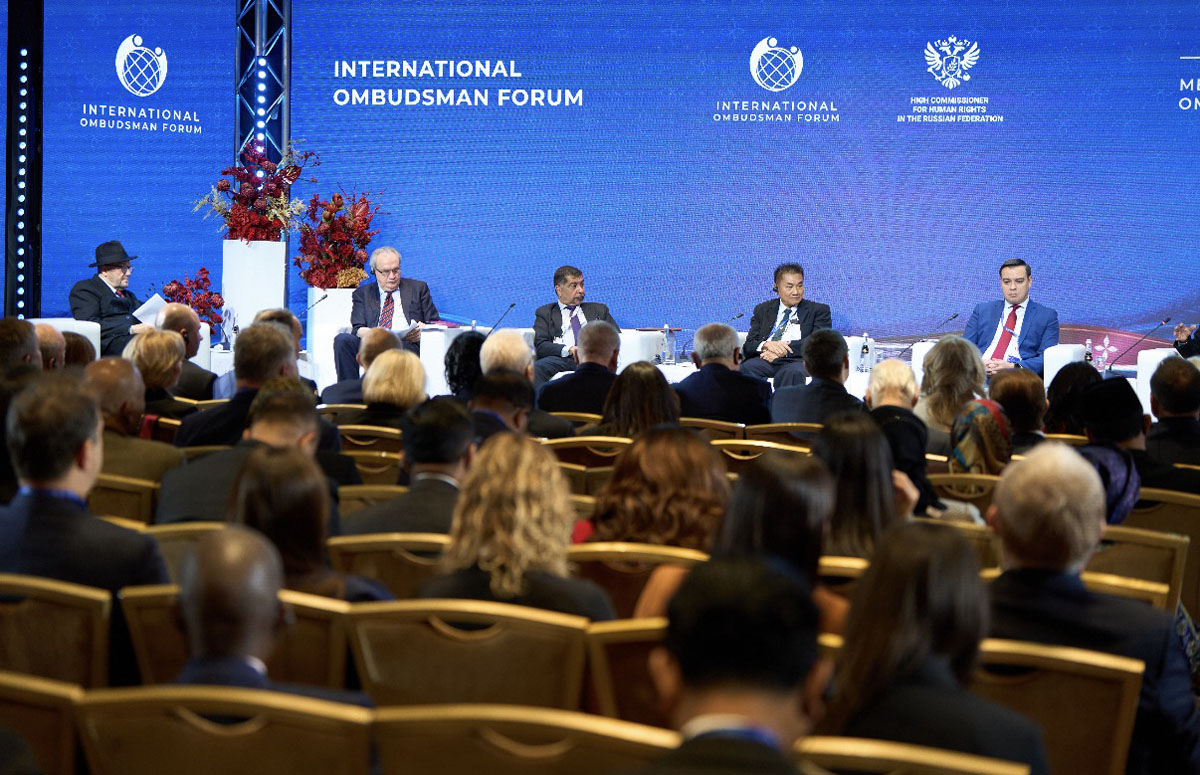
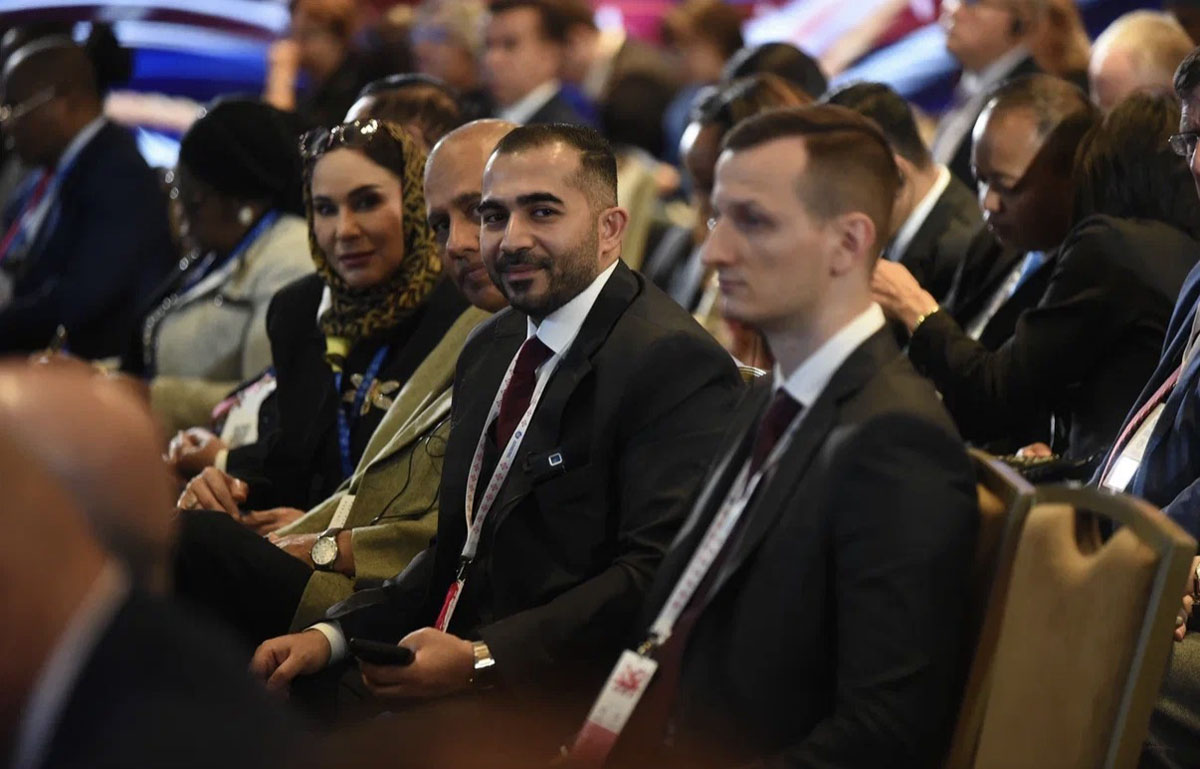
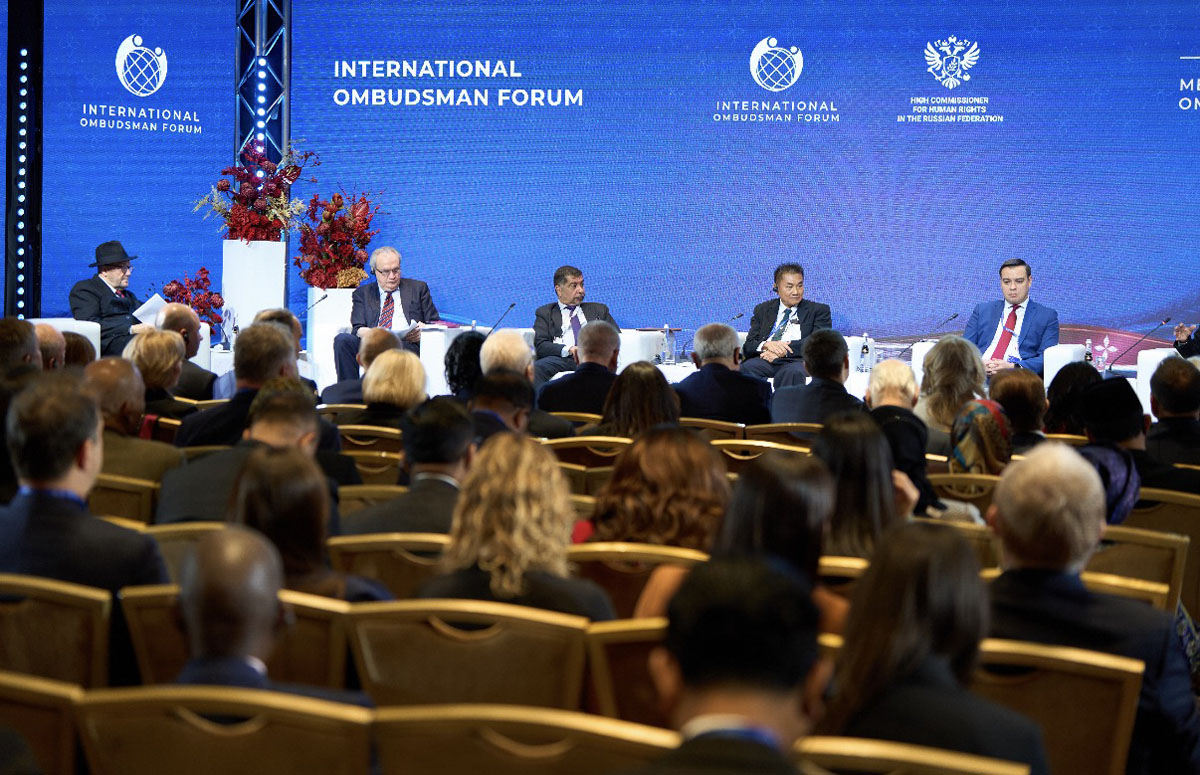
On the sidelines of the National Institution for Human Rights (NIHR)'s participation in the 11th Meeting of the Eurasian Ombudsmen Alliance in Moscow, Russia, an NIHR delegation participated in the 10th International Scientific and Practical Conference, titled “Challenges in the Protection of Human Rights: Sharing Ombudsmen’s Best Practices.” The conference addressed a range of human rights issues of common concern, focusing on strengthening cooperation between national human rights institutions and ombudsman bodies and exchanging expertise in protecting fundamental rights and freedoms.
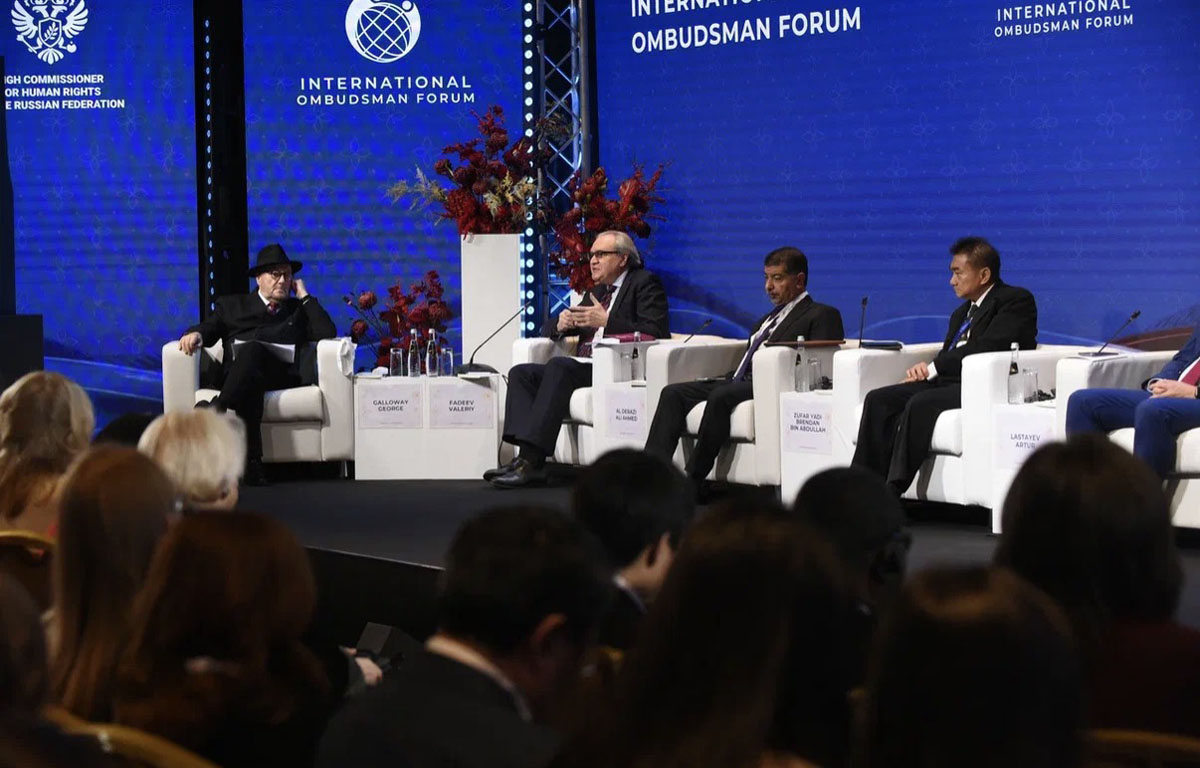
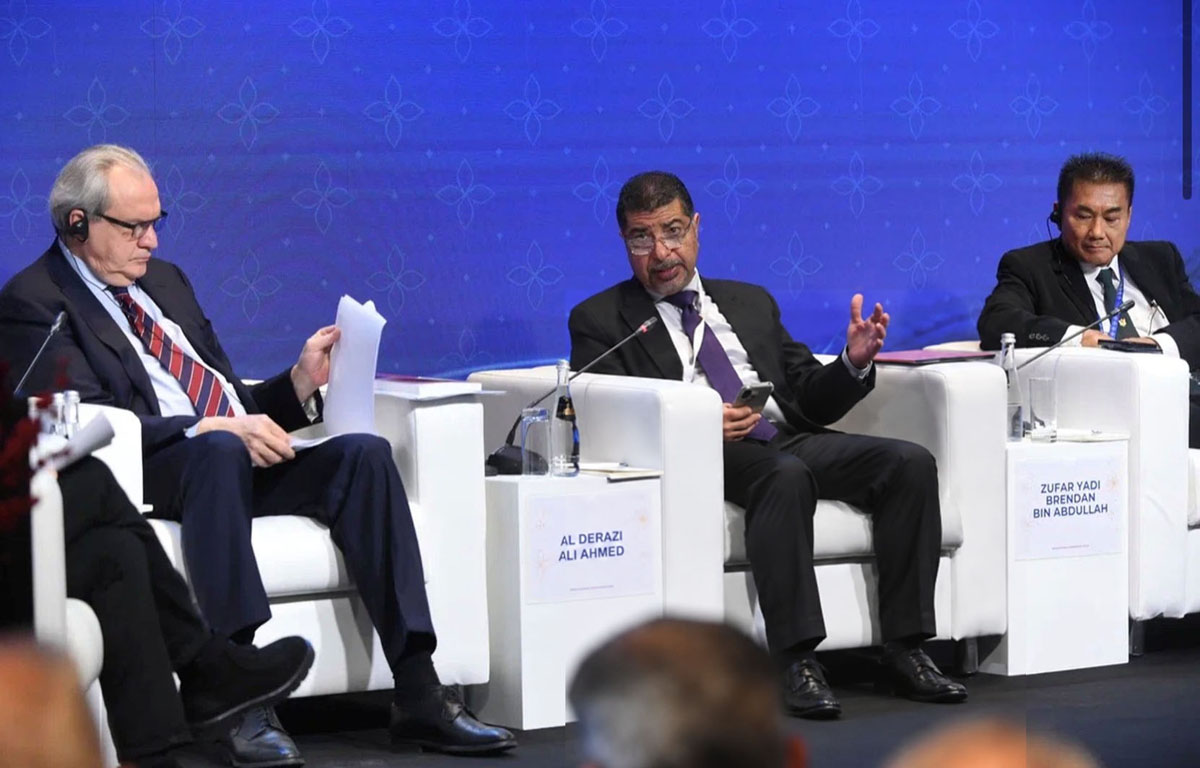
During the second session of the conference, titled “The Right to Freedom of Conscience and Cultural Identity: Protection of Beliefs, Languages and Traditions,” Eng. Ali Ahmed Alderazi, Chairperson of National Institution for Human Rights (NIHR), delivered a speech highlighting the Kingdom of Bahrain’s experience in promoting religious tolerance, peaceful coexistence, and respect for cultural diversity. He emphasized the importance of striking a balance between preserving national identity and cultural traditions and safeguarding individual rights and freedoms without discrimination, in accordance with international human rights standards.
Eng. Alderazi highlighted several national initiatives reflecting Bahrain’s commitment to fostering tolerance and dialogue among religions and cultures, notably the King Hamad Global Centre for Coexistence and Tolerance, the King Hamad Chair for Interfaith Dialogue and Peaceful Coexistence, and the Kingdom of Bahrain Declaration on Religious Freedom. He underscored the significance of these initiatives in promoting mutual respect and understanding among the various segments of society. He also addressed the importance of protecting linguistic and cultural diversity and ensuring equal enjoyment of rights and access to education and public services without discrimination. He stressed that protecting religious freedom and maintaining public security are complementary responsibilities, and that any restrictions on the practice of religious rites must be prescribed by law, necessary, and proportionate to legitimate objectives, in accordance with international human rights standards.
The NIHR Chairperson outlined the Institution’s role in promoting and protecting rights and freedoms through its mandate to receive, examine, and follow up on complaints, monitor the human rights situation, conduct field visits, review legislation, and submit recommendations. He also highlighted its human rights awareness, education, and capacity-building programmes, referring to several initiatives in this regard, including the establishment of the position of Child Rights Commissioner and the launch of the Human Rights Research Fellowship Programme.
Eng. Alderazi reaffirmed the importance of strengthening dialogue and cooperation between national human rights institutions and ombudsman bodies, as well as exchanging experiences and best practices in addressing challenges related to religious and cultural diversity. He noted that such cooperation contributes to preventing discrimination, promoting tolerance and peaceful coexistence, and building more cohesive and inclusive societies.
The conference also featured panel discussions on mechanisms for protecting the rights of citizens abroad, international cooperation in the field of human rights, and safeguards against human trafficking and contemporary forms of exploitation. Participants further discussed a number of principles and proposals aimed at developing cooperation mechanisms among human rights institutions and enhancing their effectiveness in protecting rights and freedoms.